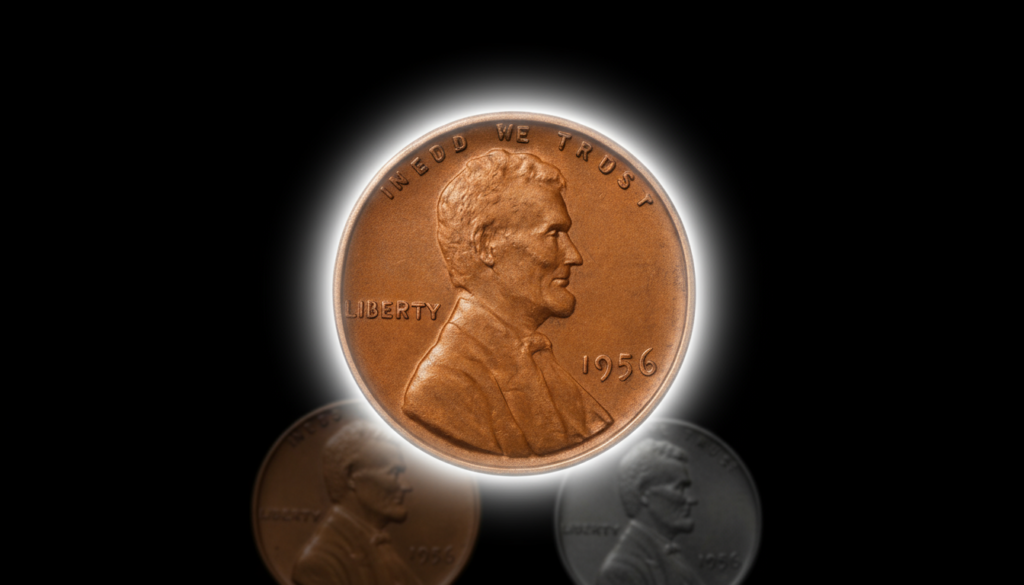
Wheat pennies have a special place in the hearts of coin lovers. Even people who are not serious collectors often remember finding these old coins in a drawer, piggy bank, or inherited collection. Over the past 10 years, interest in wheat pennies has quietly grown. Some coins stayed common and affordable, while a few rare ones surprised collectors with strong value increases.

This guide is written in a simple and clear way to help you understand how wheat penny values have changed in the last decade, what makes some of them valuable, and whether keeping them can really feel like a “dream” investment.
What Are Wheat Pennies?
Wheat pennies, officially called Lincoln Wheat Cents, were minted in the United States from 1909 to 1958. They feature Abraham Lincoln on the front and two wheat stalks on the back. That design is the reason they are commonly known as wheat pennies.
Most wheat pennies were made from copper, which already gives them some base value. However, their real worth depends on factors like year, mint mark, condition, and rarity.
Why Wheat Pennies Still Matter Today
In the last 10 years, wheat pennies have remained popular for three main reasons:
-
Historical value – They are more than 60 to 100 years old.
-
Affordable entry point – Many are still cheap for new collectors.
-
Rare varieties – Some dates and errors can be worth thousands.
Collectors enjoy wheat pennies because they are easy to understand and fun to search for. You don’t need expert-level knowledge to start.
Wheat Penny Value Trend Over the Past 10 Years
Over the last decade, the wheat penny market has been steady rather than explosive. Common wheat pennies did not suddenly become very expensive, but rare ones showed strong and consistent growth.
-
Common dates (1940s–1950s) mostly stayed in the same price range, with small increases.

-
Early dates (1909–1933) slowly increased in value, especially in better condition.
-
Key dates and errors saw the biggest price jumps as collector demand grew.
Many collectors noticed that high-quality coins (uncirculated or lightly circulated) performed better than worn ones.
Overview Table: Wheat Penny Value Changes (Past 10 Years)
| Wheat Penny Type | Approx. Value 10 Years Ago | Approx. Value Today | Trend |
|---|---|---|---|
| Common dates (1944–1958) | $0.05 – $0.25 | $0.10 – $0.50 | Slow growth |
| Early dates (1909–1933) | $1 – $15 | $2 – $30 | Steady rise |
| Key dates (1909-S, 1914-D) | $400 – $1,200 | $700 – $3,000+ | Strong growth |
| Error coins | $50 – $500 | $150 – $2,000+ | High demand |
| Uncirculated wheat pennies | $5 – $50 | $15 – $120 | Consistent increase |
Values vary based on condition and demand.
Key Wheat Pennies That Gained Attention
Some wheat pennies clearly stood out during the past 10 years:
1909-S VDB
This is one of the most famous wheat pennies. Its value increased steadily because of low supply and high collector demand.
1914-D Wheat Penny
Collectors always wanted this coin, but in the last decade, prices rose faster, especially for clean examples.
1922 No D
This error coin gained strong interest as more collectors learned how rare it actually is.
1943 Copper Wheat Penny
Although extremely rare, even rumors and discoveries kept interest high, pushing prices upward.
Condition Matters More Than Ever
One big change in the past 10 years is how much condition affects price. A worn wheat penny may only gain a little value, but a sharp, clean coin can double or triple in price.
Collectors now pay closer attention to:

-
Clear date and mint mark
-
Original color (red or red-brown copper)
-
Minimal scratches or damage
Because of this, professionally graded coins performed better than loose coins.
Are Wheat Pennies a “Dream” Investment?
Wheat pennies are not a fast-money investment. However, they are a safe and enjoyable long-term collectible.
Here’s why some collectors call them a dream guide:
-
You can start with very little money.
-
You might already own valuable coins without knowing.
-
Rare finds can still surprise people.
-
They hold value even during slow markets.
For hobby collectors, the emotional and historical value often matters just as much as money.

How to Check the Value of Your Wheat Pennies
If you have wheat pennies at home, follow these simple steps:
-
Separate coins by year.
-
Look for mint marks (S or D).
-
Check the coin’s condition.
-
Search for known rare dates.
-
Store them safely to prevent damage.
Even common coins are worth keeping if they are in good shape.
Should You Sell Now or Hold?
In the past 10 years, many collectors chose to hold rather than sell. That strategy worked well for rare and high-grade coins.
-
Sell if the coin is common and you need cash.
-
Hold if the coin is rare or in great condition.
-
Upgrade by trading several common coins for one better example.

Patience usually pays off in coin collecting.
Final Thoughts
Wheat pennies may look small and simple, but their story over the past 10 years proves they still matter. While not every wheat penny is valuable, the right one can be a hidden treasure. Their steady growth, historical charm, and collector demand make them special even today.
For beginners and experienced collectors alike, wheat pennies remain a smart and enjoyable choice.
Frequently Asked Questions (FAQs)
1. Are all wheat pennies valuable today?
No. Most common wheat pennies are only worth a little more than face value, but rare dates and good condition coins can be valuable.
2. Which wheat penny gained the most value in the last 10 years?
Key dates like the 1909-S VDB and 1914-D showed the strongest growth.
3. Is it better to clean wheat pennies before selling?
No. Cleaning can reduce their value. It’s better to keep them as they are.
4. Can wheat pennies still be found in circulation?
It’s very rare, but sometimes people still find them in old collections or jars.
5. Are wheat pennies a good investment for beginners?
Yes, they are affordable, easy to understand, and good for learning about coin collecting.